Showing posts with label teeth. Show all posts

Thursday, 20 August 2015

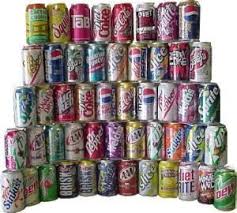
Soda Sugar Affects Brain, Heart, Lungs, And Teeth

Image result for sodaThe immediate effects of soda are well-documented. About 20 minutes after you finish the can, it hits you — 100 percent of your recommended daily intake of sugar, or 10 teaspoons.
Your blood sugar spikes, causing an insulin burst that tricks the liver into converting all sugars into fat. Within 40 minutes, caffeine absorption is complete, and the rest of your body responds accordingly: Your pupils become dilated, your blood pressure rises, and the liver begins to dump even more sugar into your bloodstream.
That’s only the first hour. Over time, a couple of sodas a day will start to affect nearly all parts of your body. For example:

Your Brain

A diet high in sugar can interfere with a number of neurological processes, particularly those involved in memory making. A study published in the journal Neuroscience found that excessive amounts of added sugar can reduce the production of a chemical known as brain-derived neurotrophic factor (BDNF). And with inadequate levels of BDNF, everyday cognitive tasks like learning and memory formations become much more difficult.
“Our results indicate that a popularly consumed diet can influence crucial aspects of neuronal and behavioral plasticity associated with the function of BDNF,” the researchers wrote in their conclusion.

Your Heart

In 2012, a study from Harvard University found that people who drink only one can of soda a day dramatically increase their risk of chronic heart disease (CHD). Compared to participants who drank the least soda, those who drank the most were 20 percent more likely to have a heart attack. “Consumption of sugar-sweetened beverages was associated with increased risk of CHD and some adverse changes in lipids, inflammatory factors, and leptin,” the researchers concluded.

Your Lungs

Scientists have also linked soda consumption to an elevated risk of pulmonary complications, such as Chronic Obstructive Pulmonary Disorder (COPD). "The amount of soft drink consumption is associated with an increased chance of asthma and/or COPD,” Dr. Zumin Shi, a researcher at the University of Adelaide and lead author of the 2012 study, wrote. “There exists a dose-response relationship, which means the more soft drink one consumes, the higher the chance of having these diseases.”

Your Teeth

Each time you have a sip of soda, sugar bonds with bacteria in your mouth, giving rise to acid. This acid weakens enamel, which over time leads to bacterial plaque that causes cavities. Soda also lowers the pH of the saliva, boosting bacterial proliferation and dental erosion. And contrary to popular belief, diet soda is no exception

Friday, 3 October 2014

6 Ways On How To Whiten Teeth Without Seeing A Dentist

Woman smiling while at the dentist

A whiter and brighter smile can not only make us feel great but also give our confidence a boost. However, what we eat and drink can directly affect the appearance of teeth and leave many with a less desirable smile. While a visit to the dentist can restore teeth’s whiteness at a hefty price, there are budget-friendly ways to restore our dental health. It’s time to turn that frown upside down with these six natural ways to restore and maintain our whiter teeth from the comfort of our own home.

1. Use baking soda as toothpaste and whitener

The popular pantry product has long been used as a substitute for toothpaste to clean teeth, but it’s also no surprise that it doubles as a teeth whitener. The chemical structure of baking soda is a mild abrasive which can help explain why it’s effective in removing surface stains from our teeth. Baking soda’s soft crystals, according to the American Chemical Society, dissolve easily in water, which allows the baking soda itself to penetrate deeply into the edges of our teeth and hard-to-reach places compared to other common abrasives. However, it is because of this very abrasive nature that this should be used as a teeth whitener only once or twice a month.

2. Chew Gum

Although this may sound counterintuitive, chewing sugar-free gum can actually help reduce the levels of acid and harmful bacteria in our mouth. The natural act of chewing gum helps stimulate the production of saliva that contains surfactants and special enzymes that can protect our teeth from staining. As we age, our salivary glands shrink and produce less saliva. Therefore, chewing gum can help increase the saliva flow and further prevent decay.

3. Munch on Fresh Fruits and Veggies

The dynamic duo has made yet another health list: Fruits and vegetables' health-boosting properties extend to dental hygiene. Snacking on raw carrots, celery, and crisp apples acts as a natural, abrasive way to clean our tooth enamel without leading to any damage. As a rule of thumb, the crunchier the fruit or vegetable, the better.
Dr. Jeff Golub-Evans, a cosmetic dentist in New York City, told Women’s Health Magazine, “Foods that are high in cellulose — a strong starchlike compound found in celery, carrots, and apples — act as natural abrasives, cleansing teeth and removing surface stains naturally.” Moreover, Golub-Evans added greens such as spinach, broccoli, and lettuce contain mineral compounds that actually form a film over teeth, so the pigments from other foods don’t cause stains.

4. Eat Cheese (or dairy overall) and Smile

Eating cheese or any dairy products are good for your dental health due to their high calcium content that is essential for strong bones, teeth, and preventing bone loss. Lactic acid, found in dairy products, acts to strengthen the enamel and prevent decay. Strengthening the enamel will protect the dentin that sits behind it. Consuming foods such as dairy that protect our enamel will help our dentin, and therefore preserve the whiteness of our teeth.

5. Rub Strawberries on Teeth

If you like the taste of strawberries, then you will love the surprising benefit of the superfood. Berries, which are naturally high in vitamin C, can help remove plaque buildup on our teeth, while the malic acid can prevent and remove stains, according to the Royal Society of Chemistry. Simply slice and rub strawberries on your teeth or mix them into a pulp with toothpaste. It’s best to let this sit for a total of five minutes on your teeth before you rinse your mouth out with water.

6. Oil pulling

The recent popular trend of oil pulling is known as an ancient Ayurvedic remedy, which claims to promote good oral health and dental hygiene. Swishing oils such as coconut, sunflower, and sesame in the mouth for a short time each morning before breakfast, some claim, cuts through plaque and extracts toxins from the body. Coconut oil pulling fans also rave about whiter teeth.
These teeth whitening at-home remedies are not meant to replace a visit to the dentist but to help keep your teeth whiter and brighter for the time being.